
YouTube has been named Headline Partner of the Independent Podcast Awards, the British prize set up in 2023 for creators who work without a network behind them. The awards confirmed the partnership on 9 September, and said a YouTube representative will hand over the night’s biggest prize, Independent Podcast of the Year, at the ceremony at Kings Place in London on Wednesday 4 November.
A sponsorship announcement is not usually news. This one matters because of where YouTube already sits in British listening. Since the summer it has been the service that more weekly UK podcast listeners use than any other, ahead of Spotify and well ahead of BBC Sounds — and it has now bought the front of the room at the awards that speak for the independent majority of the market. Our reading is that this is less a marketing spend than a recruitment drive.
What has been confirmed
This is the fourth edition of the Independent Podcast Awards, co-founded by whynow Media and the team behind the Verbal Diorama podcast. Since 2023 the awards say they have taken more than 1,400 entries, shortlisted over 500 shows and named 75 winners.
This year has been the biggest yet, with more than 540 entries submitted. Judging is already under way and the shortlist is due to be published in mid-September, which means British listeners looking for something new will have a fresh list of several hundred independent shows to work through within days of reading this.
The awards describe their constituency as “the backroom creators that aren’t funded by big brands”, which they put at around 75% of the UK podcast market. That figure is the organisers’ own estimate rather than an audited one, but the direction of it is not really in dispute: most British podcasts are made by very small teams or by one person.
Neither party has disclosed what the partnership is worth, or whether it runs beyond this year’s ceremony.
What the two sides have said
Alison Lomax, Managing Director of YouTube UK and Ireland, said the company was “thrilled to celebrate the innovation and creativity of the UK’s independent podcasting sector at this year’s awards”, adding that “podcast creators are a key part of the UK’s creator ecosystem, and YouTube has become a home where they are now building sustainable businesses”.
Emma Turner, co-founder of the awards, said: “We’re delighted to have YouTube as our Headline Partner for this year’s event. To have such an esteemed brand supporting the awards shows just how important indie creators are in the podcasting world.”
YouTube also put numbers to its own scale in the announcement: more than 100 million hours of podcast content watched on the platform every day, by more than a billion monthly active podcast users. Those are global company figures, not UK ones, and not independently verified — a distinction worth holding on to, because the metric YouTube uses to count a view changed last month.
Why YouTube wants the indie room
The commercial logic sits in survey data published over the summer. Edison Research at SSRS found that 29% of weekly British podcast listeners aged 15 and over now name YouTube as the service they use most for podcasts, against 28% for Spotify, 15% for BBC Sounds and 10% for Apple Podcasts.
That is a narrow lead and it comes with a caveat the industry keeps having to restate. Download measurement still puts Apple Podcasts first in Britain — around 37.5% of UK downloads against Spotify’s 31.7%, on data from the open analytics service OP3 as analysed by Podnews — but download data does not see YouTube at all. The two measurements are counting different behaviour, not disagreeing about the same one.
What YouTube gets from the awards is credibility with the part of the market that is not already locked into a distribution deal. The big British networks have their commercial arrangements settled; a solo true crime host with 4,000 downloads an episode does not, and is choosing right now whether to buy a camera. Our reading is that the sponsorship is aimed squarely at that decision, and the shows on the shortlist will include plenty of the sort that fill the best true crime podcasts lists without a network name anywhere near them.
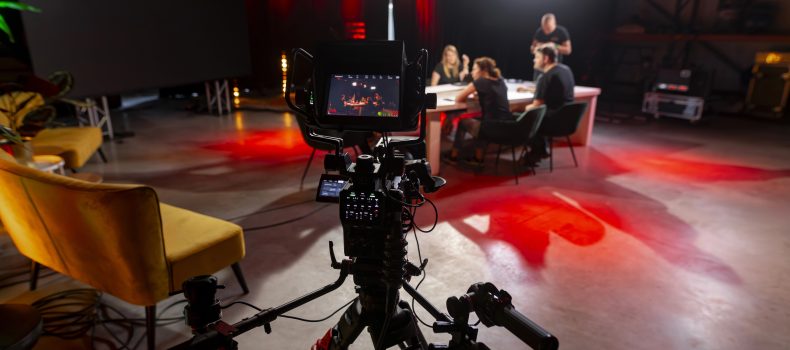
There is a cost to that shift that the press release does not mention. Video raises the floor on what an independent show has to spend — a camera, lighting, somewhere that does not look like a spare bedroom, and the editing hours that go with it. The likely effect of platforms pushing video is to widen the gap between indies who can absorb that and indies who cannot, at exactly the moment the awards are celebrating the ones who cannot.
The metrics argument YouTube is walking into
The timing is awkward. In August, YouTube changed how it counts a public view, so that a view now registers from the first frame across all formats, with the older “engaged views” number moved into the analytics dashboard. Podcast networks have spent the weeks since working out what their numbers now mean.
Glenn Rubenstein of the American ad agency ADOPTER Media put the objection bluntly in a post on 10 September: “Sure, now it makes it look like every video has more views, but each counted view now means less.” That is industry interpretation rather than an established fact, and YouTube has not accepted the criticism — but it is the argument an independent creator will hear when they try to sell a sponsorship on a YouTube view count.
The BBC is pulling the other way
The same fortnight produced a neat illustration of the alternative. BBC Studios confirmed that Radio 4’s In Our Time becomes a video podcast on BBC iPlayer from Thursday 17 September, with Misha Glenny hosting. Audio editions continue on Radio 4, BBC Sounds and podcast apps worldwide, and a curated archive episode introduced by Glenny will be added to the BBC Sounds feed each week.
Mohit Bakaya, Controller of BBC Radio 4, said the video version “will preserve the programme’s hugely popular format while helping it reach new audiences as listening and viewing habits continue to evolve”. In Our Time has run since 1998 and the BBC says it is one of BBC Sounds’ most popular podcasts with under-35s, which is the audience the corporation is most obviously trying to hold.
The routing is the interesting part. iPlayer is UK-only, so the video is for British viewers alone. In the US and Canada it goes first to paying subscribers on BBC.com and BBC Select, and only later to the BBC Podcasts channel on YouTube, outside the UK. The BBC is going video without handing YouTube the audience, and independents mostly cannot copy that because they have no iPlayer of their own.
Which is why the 4 November ceremony is worth watching beyond the trophies. A shortlist arriving in the next fortnight will be one of the better guides to what British independents are actually making — the comedy doubles and niche obsessives who turn up in the best comedy podcasts before anyone commissions them — and the platform handing out the top prize will be the one that has already won the argument about where those shows get found.
Share: