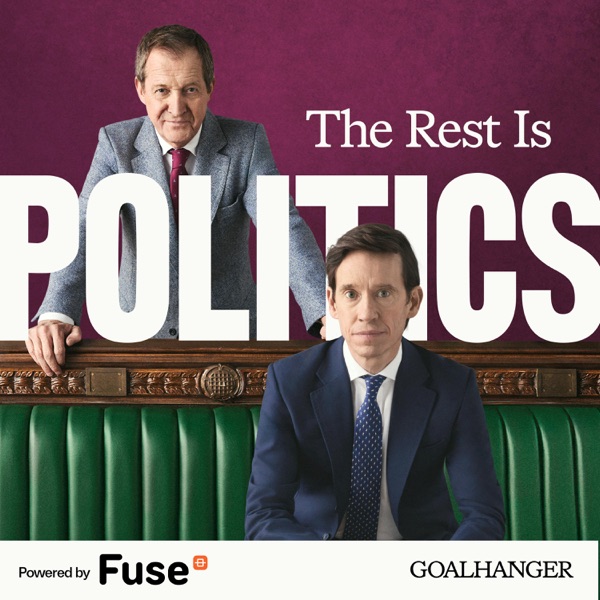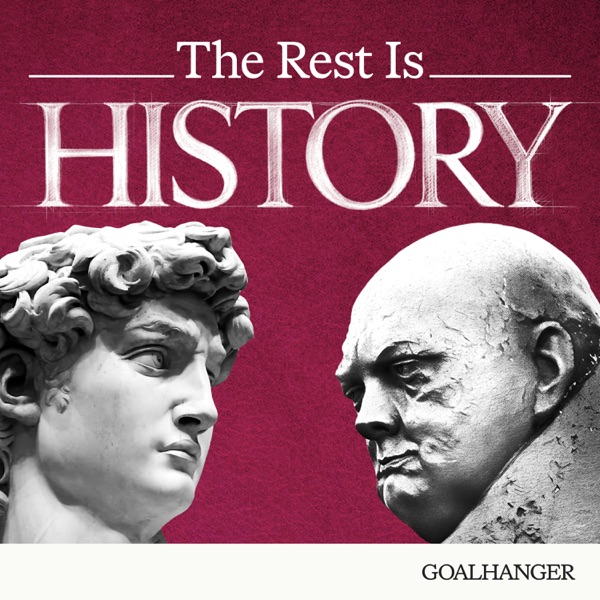

Goalhanger, the company behind The Rest Is History, The Rest Is Politics and The Rest Is Football, has hired a television agent. On 20 August it appointed Tom Miceli, who spent more than a decade in the television division at WME, to the newly created role of Head of IP Development, with a brief to turn its podcasts into television and film.
On its own that reads like a personnel notice. Set against what the company has done in the past eight months — its first outside investment, a two-year Netflix deal and a three-day festival at the Southbank Centre next week — it looks like something rather bigger. Our reading is that Britain’s largest independent podcast producer has quietly started behaving like a rights business that happens to make podcasts.
What Goalhanger has announced
According to the company’s announcement of 20 August, Miceli will lead Goalhanger’s IP development and licensing strategy, identifying opportunities across the existing shows and the development pipeline and turning them into television and film propositions for the UK and international markets. He reports to the founders, works with the talent, editorial teams and general managers to build a prioritised slate, and negotiates the licensing and co-production deals that come out of it.
The detail that matters is where he has come from. At WME, Miceli most recently led the agency’s work on Goalhanger’s Netflix partnership — the arrangement that put The Rest Is Football on the streamer. Goalhanger has, in other words, hired the person who sold its show to Netflix and put him inside the building.
“I couldn’t be more thrilled to be joining Goalhanger, a company I have long admired both as a business and as a fan,” Miceli said. Co-founder Jack Davenport framed the role around the catalogue rather than any single title: “Our shows are built around distinctive ideas, brilliant talent and deeply engaged audiences, creating enormous potential to develop them beyond their original formats.”
The company puts its own scale at more than 400 million downloads across 2024, and points to being named Britain’s fastest-growing private company in The Sunday Times 100. Those are Goalhanger’s figures, not independently audited listening data, but nobody in British podcasting disputes the direction of travel.
Why a podcast company needs a television agent
Hiring in-house what you previously bought from an agency is usually a signal that the work has become permanent. The likely reading here is that Goalhanger expects screen deals to be a continuing revenue line rather than an occasional windfall, and would prefer to keep the margin, the relationships and the pace of development itself.
There is a straightforward commercial logic behind that from the buyer’s side too. Podcast IP is close to the cheapest de-risked development slate in British television: the audience is proven, the format has been tested weekly for years, the presenters are contracted and the archive doubles as a research department. A commissioner looking at The Rest Is History is not being asked to gamble on whether anyone wants the subject.
The caveat is worth stating plainly, because the industry tends to skip it. Very little of Goalhanger’s screen success so far involves adaptation in the conventional sense. What worked on Netflix was the podcast itself, filmed. Turning a history podcast into a documentary series, or a narrative one into drama, is a different and much harder discipline, and it is where a former agent’s judgement about what a broadcaster will actually buy earns its keep.
The Netflix proof point
The reason anyone is taking this seriously is what happened over the summer. Gary Lineker, Alan Shearer and Micah Richards made 40 daily episodes of The Rest Is Football from a New York studio during the 2026 World Cup. Goalhanger says the run appeared in Netflix’s Daily Top 10 television chart every day it aired and peaked at number one in the UK, with the podcast itself running at more than seven million monthly streams.
Netflix extended the arrangement in July on a two-year basis that runs through to Euro 2028 and covers the 2026/27 Premier League and Champions League season, with the new run under way this month. “We had a brilliant time making the show during the World Cup,” Lineker said. “It’s great to be back on Netflix every week.”
Goalhanger is not the only British producer being courted. Global bought Gary Neville’s production company at the start of the year, and Disney+ became headline sponsor of Stick to Football under the deal it signed with The Overlap this month. What separates the Goalhanger move is that the others are distribution and sponsorship arrangements for shows as they already exist; this is a company building the capacity to make something new out of what it owns.
What it means for the rest of British podcasting
The capital arrived first. In January, The Chernin Group took a minority stake in Goalhanger — the first outside investment since the company was founded in 2014 — and took a board seat with it. Terms were not disclosed. A development function is the natural next thing to spend that money on, and our reading is that the two events should be read as one strategy rather than two announcements.
For the rest of the sector, the likely effect is a widening gap. A handful of British networks now have investment, a screen pipeline and enough scale to keep talent; most independent producers have none of those and are competing for the same presenters and the same advertisers. Expect more consolidation, and expect the successful independents to be bought rather than to grow into competitors.
For presenters, the message is blunter still: the podcast has become the audition. A show with a loyal audience is now a route to a television commission rather than a consolation for not having one, which is close to the reverse of how British broadcasting worked a decade ago.
Listeners get the mixed version of this. The audio feeds have stayed free and, on the evidence so far, will remain so; the extra material tends to move to a subscription or a streaming service. The pattern that points to is one most people will recognise from television — the show stays free, the complete version of it increasingly does not.
The next fortnight, and the next year
The immediate test is live rather than televised. Goalhanger: The Rest Is Fest runs from 4 to 6 September at the Southbank Centre, the network’s first festival and part of the Centre’s 75th anniversary programme, with The Rest Is History, The Rest Is Politics, The Rest Is Entertainment, The Rest Is Money, Empire and others taking the Royal Festival Hall and Queen Elizabeth Hall across the weekend. Ticketed live events are the third revenue line, alongside advertising and licensing, and a sold-out weekend makes the argument for the screen slate rather neatly.
The thing to watch after that is a commission. Nothing has been announced, and Goalhanger has not said which titles are furthest along; the honest position is that a development hire in August tells you a slate is being built, not what is on it. If a scripted or documentary order lands in the next twelve months, the strategy is working. If the only screen output is still podcasts on camera by this time next year, it was a licensing operation with a grander job title.
Either way, the shows themselves are where the value sits, and they are all still free to listen to. If you want to hear the ones most likely to end up on a screen, the best history podcasts to start with is the obvious place to begin — a good deal of British television’s next few years is currently sitting in that feed list.
Share: