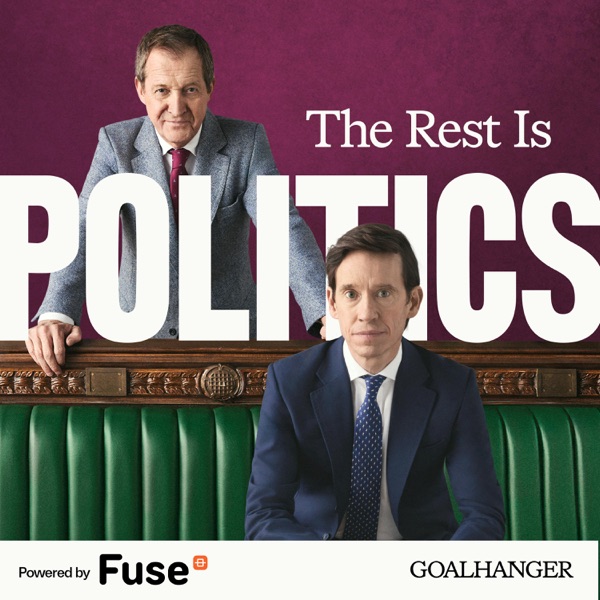


The new ranking of Britain’s biggest podcasts landed this month, and the top three have not moved: Joe Rogan first, Steven Bartlett second, The Rest is Politics third, exactly as they finished the previous quarter. Read only the podium and you would conclude nothing much happened between April and June.
Underneath it, a great deal did. A BBC Radio 4 show climbed eleven places into the top ten, another BBC show slid out of it, four titles are in the list for the first time, and the single biggest riser jumped 41 places. What most of the movers have in common is a screen: a Netflix launch, a television programme, a returning series with a film star in it. Our reading is that the chart is quietly becoming a record of which podcasts have successfully stopped being only podcasts.
What the new figures show
The list is the Top 25 Podcasts in the UK for Q2 2026, published by Edison Research at SSRS. It ranks shows by reach among weekly podcast listeners aged 15 and over, and the full table sits on the researcher’s own site, dated 3 September, with the same release carried by Podnews three days later.
The method matters when you read the results. Edison Podcast Metrics is survey-based rather than download-based: at least 2,000 weekly podcast listeners in the UK are asked each quarter what they listen to, whatever app or platform they use, and networks do not have to opt in for their shows to appear. That is set out on Edison’s methodology page, and it is why YouTube-heavy and BBC Sounds-heavy shows can sit in the same table without either being flattered by its own numbers.
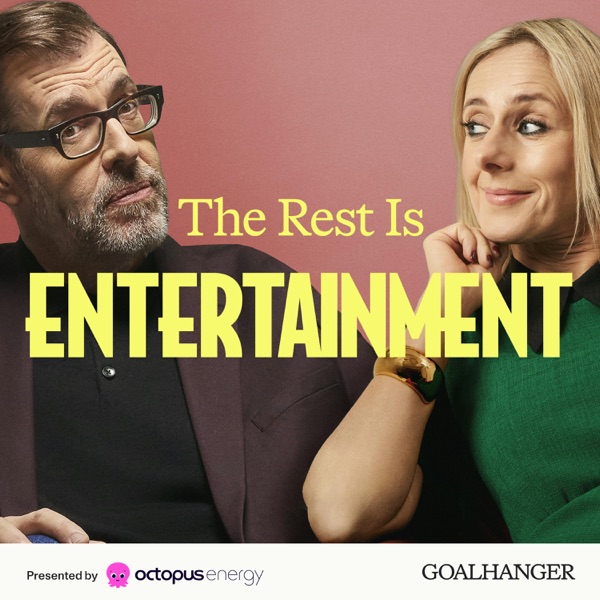
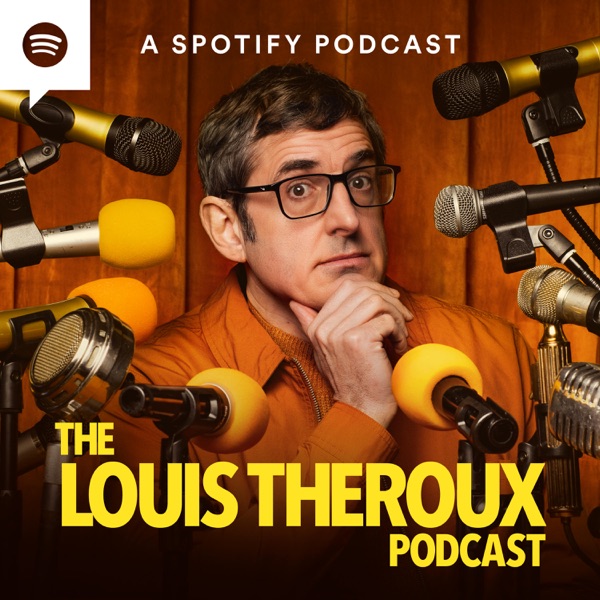
The biggest single move belongs to The Louis Theroux Podcast, which Edison records rising from number 65 in the first quarter to number 24, a gain of 41 places, on the back of an eighth series whose guests included Florence Pugh. Uncanny goes from 18 to seven. The Rest is Entertainment goes from 21 to ten. None of those are gentle drifts, and all three suggest the British audience moves in blocks when a show gives it a reason to come back.
Goalhanger holds four of the top ten
By our count of the published table, Goalhanger has four shows in the top ten: The Rest is Politics at three, The Rest is History at four, The Rest is Football at five and The Rest is Entertainment at ten. No other British company has more than one show in that top ten.
The Rest is Football reaches what Edison calls its highest position on record, and the researcher ties that to the show’s global launch on Netflix in June, timed with the FIFA Club World Cup. That is the clearest evidence yet in a UK chart that putting a podcast on a television platform grows the audio audience rather than cannibalising it, which is the argument British producers have been making to broadcasters for two years without much hard data behind it.
The company’s position looks less like a hit and more like a format that reliably reproduces itself, which is why The Rest is History now sits comfortably among the best history podcasts British listeners have made a weekly habit of. The likely consequence for everyone else is uncomfortable: an independent with four top-ten titles has enormous leverage in any conversation about advertising rates, platform exclusivity or a television spin-off, and it does not need a network to bankroll the next one.
Not every sports title held up. The Overlap fell from 11 to 20 and Stick to Football from 16 to 22, both in the quarter before the Disney+ arrangement announced in August had any chance to show up in the figures. Whether that deal reverses the slide is the sort of thing the next two quarters will answer.
The BBC’s chart is split in two
The BBC has three shows in the table and they are pulling in different directions. Uncanny, from Radio 4, climbs from 18 to seven. Newscast falls from five to eight. The Martin Lewis Podcast, from Radio 5 Live, enters at 25.
Two of those three have a television life. Uncanny has been adapted for BBC screens, and Edison notes that The Martin Lewis Podcast also airs as a television programme, with Lewis receiving the BAFTA Television Special Award in May. Newscast, the one that fell, is the most conventionally radio-shaped of the three. We would not build a theory on three data points, but the pattern is consistent with what the Goalhanger numbers suggest.
The commercial context makes this sharper than a normal ratings story. The corporation’s audio reach is being argued over in the Charter Review, with commercial rivals pressing ministers to rule out advertising around BBC podcasts on third-party platforms. A chart showing the BBC with three of the country’s 25 biggest shows, one of them rising fast, will be quoted by both sides of that argument, and neither reading is dishonest.
Who hosts Britain’s biggest shows
Edison publishes the hosting platform for every entry, and it is the most commercially revealing column in the table. Counting the 25 entries ourselves: Megaphone, which Spotify owns, hosts nine of them; Acast hosts five; Simplecast four; the BBC three; Captivate two; Audioboom one; and FlightCast one.
That single FlightCast entry is The Diary of a CEO at number two, and it is worth pausing on. FlightCast is the video-first host built around Steven Bartlett’s own operation, and at the end of August it also picked up Southern Cross Austereo’s LiSTNR catalogue in Australia. A host that carries the UK’s second-biggest podcast and a national broadcaster’s slate is no longer a side project.
Acast’s five entries are the ones a British seller will point at, because they are British-made independents rather than licensed American imports: That Peter Crouch Podcast, ShxtsNGigs, Off Menu, The Overlap and Stick to Football. The likely effect of a table like this, published quarterly, is a slow hardening of the UK market into two tiers, with the shows that can be bought programmatically at scale in one and everyone else negotiating individually.
What the table does not tell you
Five of the 25 are American: The Joe Rogan Experience at one, Crime Junkie at 13, The Daily at 16, Call Her Daddy at 17 and The Mel Robbins Podcast at 21. The country’s most-listened-to podcast has been an American one for years, and nothing in this quarter changes that.
Edison attributes The News Agents’ rise of two places to number six to its coverage of what the release calls “the highly discussed UK midterm elections in May” — their phrasing, not ours. Whatever label you put on the vote, the effect is the familiar one: political events lift news podcasts in the quarter they happen and the lift rarely survives two quarters without something else to cover.
A reach chart also says nothing about money. Dish, in at 19, is a branded show made for Waitrose; No Such Thing As A Fish, in at 23, is an independent that also tours live. They sit four places apart and run on completely different economics. The useful thing to watch in the next table, due around the turn of the year, is whether the shows that climbed on a television or streaming launch hold the ground once the launch is over — because if they do not, the video strategy every British producer is now being sold turns out to be a spike rather than a step.
Share: